Taiwan pushes home recovery as ICU monitoring follows patients out
Retired doctors and nurses are returning to care for discharged patients at home as services decentralise beyond hospitals.
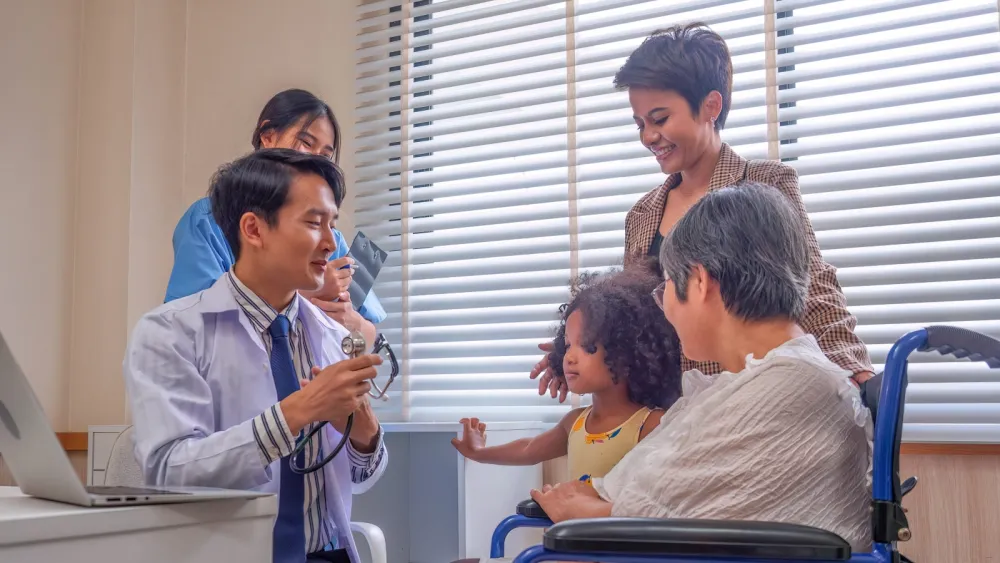
Taiwan’s effort to shorten hospital stays is pushing more recovery into homes and community settings, increasing the need for remote monitoring and trained staff outside medical facilities.
Bruce Yu, Chief Executive Officer of Broadsims Inc., said during an interview at Medical Taiwan 2026 that government policy is encouraging patients to leave hospital once they are stable enough to continue recovering elsewhere.
“If it is acceptable, please go outside, back to home, and to become better and to get healthier,” Yu said.
The policy could ease pressure on hospital beds, but it also raises concerns over how quickly medical teams can detect deterioration after discharge.
Broadsims is working on monitoring systems intended to bring the level of observation used in intensive care units into regular wards and patients’ homes. The technology allows healthcare professionals to track patients remotely and respond when readings suggest their condition may be worsening.
“We try to bring the ICU quality-level monitoring technology into the regular ward and even to outside the hospital,” Yu said. “When people are not staying in the hospital but staying at home, they can also be monitored by medical care professionals.”
Yu said the aim is to prevent deterioration and reduce avoidable readmissions, particularly as more patients recover away from hospitals.
Over the next three years, he expects Taiwan’s healthcare system to become less hospital-centred, with more follow-up care delivered at home.
The shift is also bringing retired doctors and nurses back into care roles, according to Yu. Their participation could help fill staffing gaps as home-based services expand, although the model will depend on whether providers have enough trained workers to act on remote alerts and support discharged patients safely.








 Read Here
 Advertise
 Sign Up






Commentary
AI drug discovery, GLP-1, and the next wave of Hong Kong biotech listings
Beyond symptom control: Redefining IMID care in Malaysia
How decentralised clinical trials can unlock Asia's research potential