Indonesia anchors Longevity 5.0 amidst regional stem cell gaps
Borderless Healthcare links regenerative medicine with clinics, resorts, and home-based wellness.
Borderless Healthcare Group is launching Longevity 5.0 in Indonesia as the country’s healthcare market shifts towards proactive wellness and regenerative medicine.
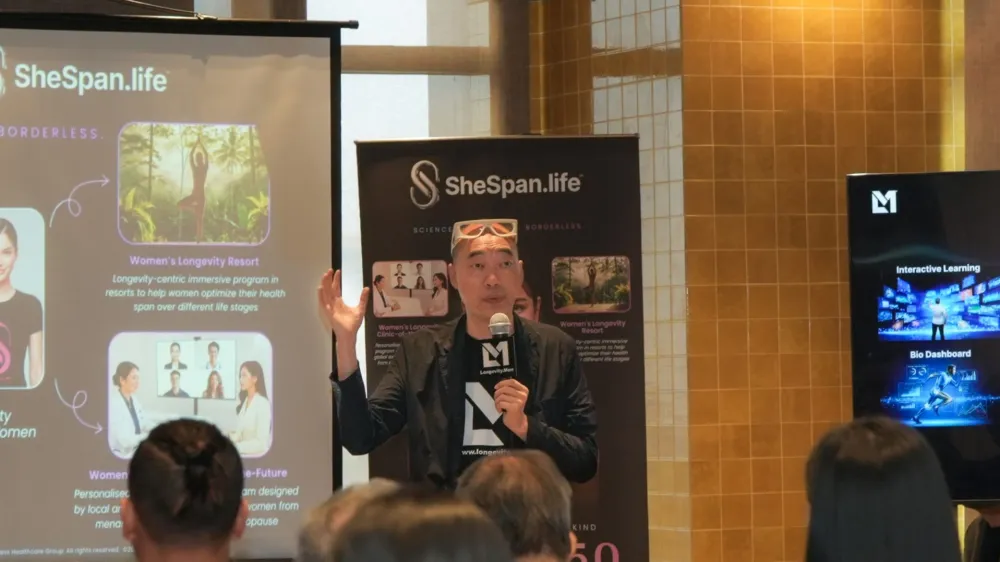
Dr. Wei Siang Yu, Founder and Executive Chairman at Borderless Healthcare Group, said Indonesia is the right launch market because it is Southeast Asia’s largest healthcare market and one of the first in the region to allow stem cells to be administered as part of therapy.
He said this creates a clearer path for combining regenerative medicine with longevity science, compared with other regional markets where rules on stem cell applications may be unclear or more restrictive.
In Indonesia, longevity care could combine biomarker testing, peptides, intravenous drips and stem cell therapy with lifestyle programmes across medical and non-medical settings.
“This is unprecedented,” Yu said, adding that Indonesia has an opportunity to build a longevity model spanning clinics, hospitals, resorts and homes.
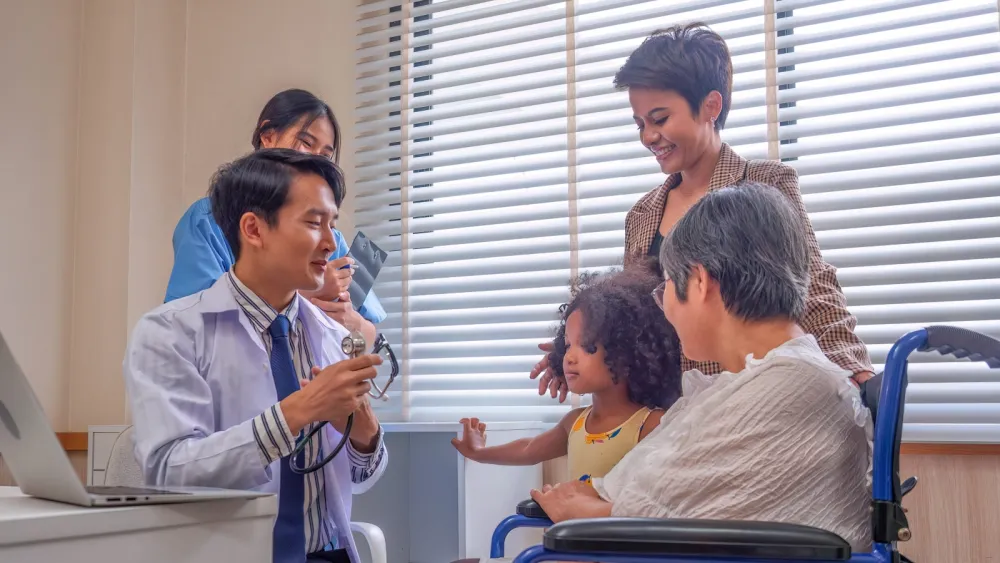
A longevity clinic of the future, he said, would connect local doctors with global medical experts, scientists and allied health professionals through immersive telemedicine systems. These could allow Indonesian patients to receive care from their primary doctor whilst drawing on expertise in fitness, nutrition and preventive health.
Yu said the model is designed to democratise longevity knowledge by allowing local doctors to co-care patients with international experts.
Over the next five years, Borderless Healthcare expects general practitioners in Indonesia to practise longevity medicine at the community level. Hospitals could also develop specialised programmes by gender or organ system, including cardiovascular and liver longevity.
Resorts are expected to play a larger role, with Indonesia’s islands and tourism destinations positioned to support longer-stay longevity programmes linked to clinics and rehabilitation care.
Yu said longevity care should continue at home, where lifestyle modification and biomarker tracking can support healthier ageing beyond medical consultations.
For Indonesia, the test is whether Longevity 5.0 can turn preventive care into a scalable model across primary healthcare, specialist medicine, medical tourism and home-based wellness.






 Read Here
 Advertise
 Sign Up





Commentary
AI drug discovery, GLP-1, and the next wave of Hong Kong biotech listings