Hong Kong doubles down on disease prevention
It pays dividends for the city’s health system.
Hong Kong is changing healthcare policy around cost control as rising demand and spending pressure push policymakers toward prevention, faster drug approvals, and productivity gains, analysts said.
“The only way for Hong Kong to bend the cost curve so it doesn’t grow faster than the gross domestic product is primary prevention of disease,” David Bishai, clinical professor at the School of Public Health at the University of Hong Kong, told Healthcare Asia.
He said public health programmes deliver stronger long-term returns than treatment-focused care and should play a bigger role in controlling healthcare costs.
Healthcare, social welfare, and education are expected to account for about 60% of Hong Kong’s $107.7b (HK$843.4b) budget for 2026-2027. Healthcare expenditure alone is estimated at $19.5b (HK$153.1b) or about 18.2% of total spending.
The government is expanding primary healthcare through a co-care network that will extend disease screening, boost chronic disease management, and improve access to diagnostic services.
The programme targets about 700,000 participants in the first five years. Authorities have also extended an elderly healthcare voucher reward scheme through 2028 to encourage greater use of preventive services.
“Spending money on primary prevention of the behaviours and risks for health pays dividends for the Hong Kong health system,” Bishai said.
He said diet is an area where Hong Kong has substantial room for improvement despite relatively strong performance in reducing smoking, limiting alcohol consumption, and encouraging physical activity.
“We are now at a point where less than 5% of Hong Kong people are getting five fresh fruits and vegetables a day,” he said. “One of the best investments for preventing diabetes and hypertension, heart disease, and atherosclerosis and cancer is improving diet.”
Alongside prevention efforts, Hong Kong is using regulatory reform to strengthen its healthcare and life science sector.
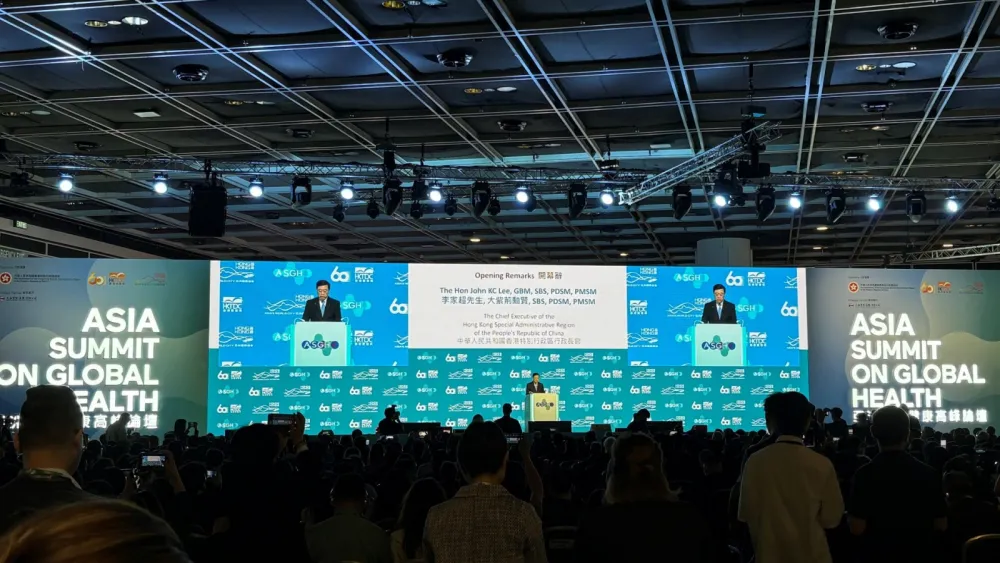
Anna Cheung, assistant executive director at the Hong Kong Trade Development Council (HKTDC), said the government’s “OnePlus” mechanism for faster drug registration has approved 19 drugs since February.
Authorities are also planning a Centre for Medical Products Regulation, which Cheung said would function similarly to the US Food and Drug Administration by streamlining approvals and supporting the development of the city’s pharmaceutical sector.
Hong Kong is also deepening integration with mainland China through the Greater Bay Area Medicine and Equipment Connect scheme, which allows drugs and medical devices registered in Hong Kong and used in public hospitals to be used in designated healthcare institutions across the region, giving companies a pathway into the mainland market.
“Many are looking for silver health or silver-related knowledge, especially related to Alzheimer's,” Cheung said. “We see a lot of interest from investors for artificial intelligence-related technology.”
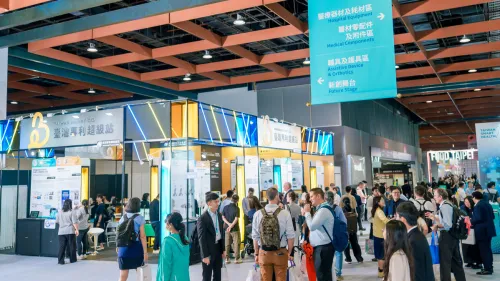
HKTDC arranged more than 400 business-matching meetings over two days at The Asia Summit on Global Health in May and hosted about 180 exhibitors, reflecting investor interest in health technology and ageing-related solutions.
Workforce shortages remain another challenge for the healthcare system.
“Hiring from abroad is not a sustainable model,” Patricia Davidson, co-director at the International Centre for Future Health Systems at the University of New South Wales, told Healthcare Asia in an interview.
She said healthcare employers need better working conditions and retention as rigid work structures and limited support drive workers out of the sector.
She added that planning should reflect workforce constraints and shifting system demands.











 Read Here
 Advertise
 Sign Up