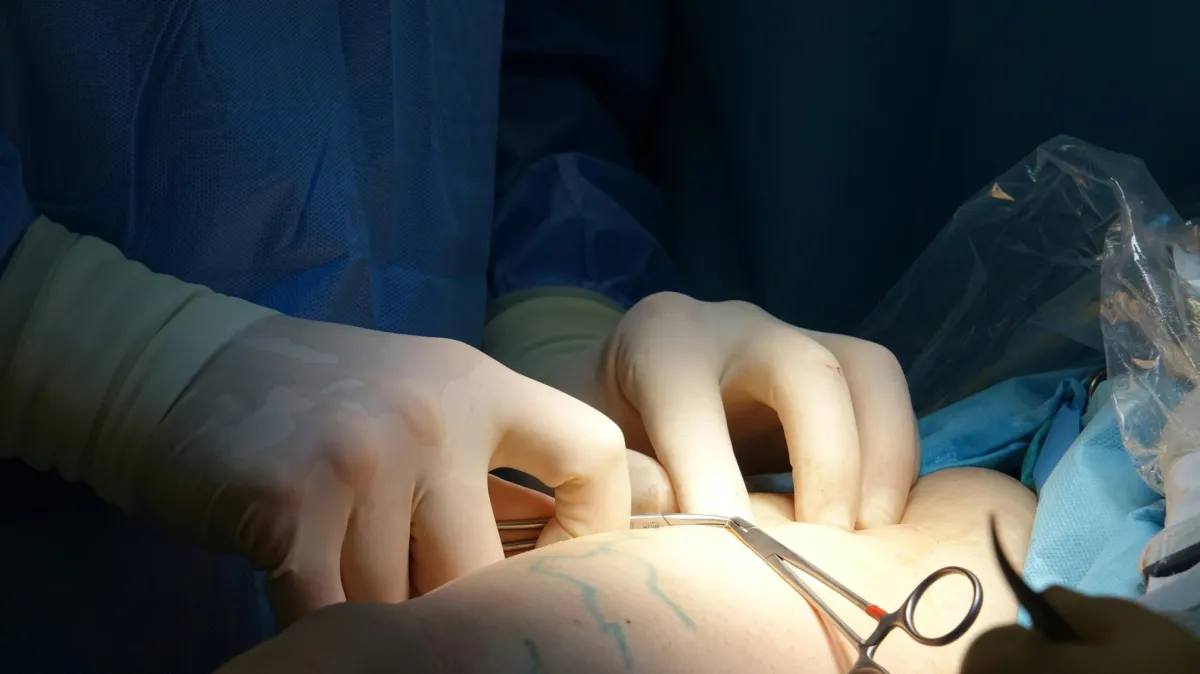
Asian Hospital opens dedicated hernia clinic
It targets a treatment gap in Metro Manila where cases far exceed surgical capacity.
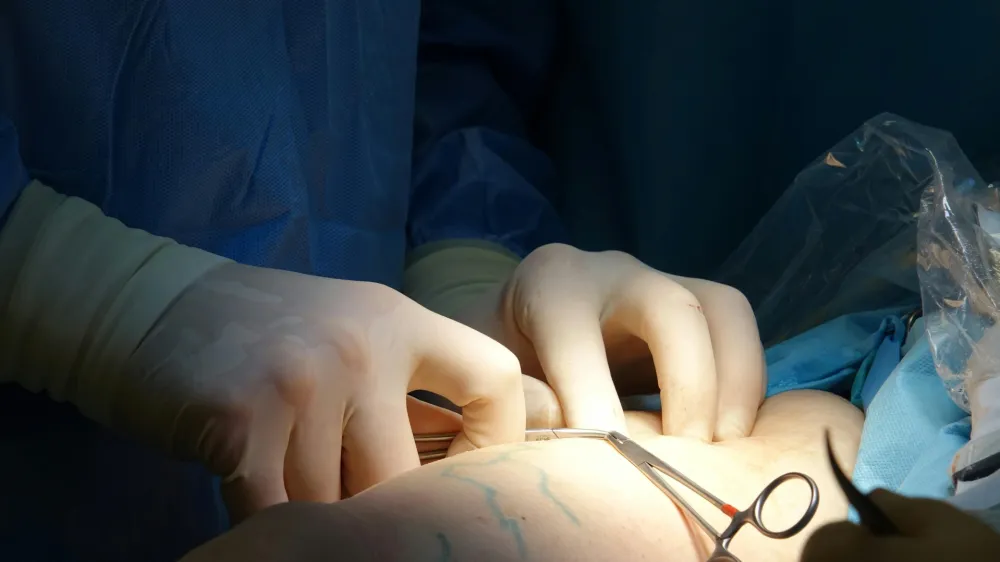
Asian Hospital and Medical Centre has opened the Philippines’ first dedicated hernia clinic, aiming to address a large gap between estimated cases and actual surgeries performed.
“Using a globally accepted benchmark of roughly 100 hernia cases per 100,000 individuals, Metro Manila's population of 13 to 14 million translates to approximately 14,000 new cases annually,” Carlos Ejercito, surgery chairman at Asian Hospital, told Healthcare Asia.
He said the hospital handles only 100 to 120 cases a year, or about 0.7% of estimated demand.
“Even the Philippine General Hospital, the country's busiest public referral centre, manages only 300 to 400 cases annually, capturing perhaps 2% of the projected volume,” Ejercito said via Zoom.
He said not all hernias are immediately operable, and financial constraints also limit recorded procedures.
“When a health maintenance organisation classifies a hernia as congenital rather than degenerative, it will decline to cover the procedure, leaving the patient to shoulder the full cost or forgo surgery entirely,” Ejercito said.
Beaver R. Tamesis, president and CEO of Asian Hospital, said hernia risk rises sharply after 65 and increases with obesity.
He said obesity worsens the condition by increasing abdominal pressure, whilst declining testosterone levels reduce muscle strength and tissue integrity.
He added that some types, including femoral hernias, carry a higher risk of complications such as gangrene if not treated early.
“A centre, such as what Dr Ejercito set up, will be able to pick up these cases early,” Tamesis said in the same Zoom call.
Ejercito said higher procedural volume would improve efficiency in the use of operating time and materials, lowering patient costs.
“Pooling surgical expertise rather than concentrating on individual practitioners will also enable more streamlined triage and patient flow, cutting unnecessary hospital stays and freeing up bed capacity in a facility where beds are limited,” he said.
He said the clinic would also handle complex abdominal wall reconstruction cases, including large ventral and incisional hernias that have gone untreated for long periods.
Tamesis said a specialised setup improves outcomes by concentrating skills and experience in one unit rather than across general wards.
“We try to develop centres of excellence,” he said. “This will be a really good model for other fields we are looking at developing.”















 Read Here
 Advertise
 Sign Up