Australian study flags immune resistance in phage therapy treatment
The results from the first VICPhage case highlighted implications for future clinical design.
Researchers from The Alfred and Monash University have identified a key factor that may affect the effectiveness of phage therapy, following the publication of findings from VICPhage's first patient case in the medical journal Nature Medicine.
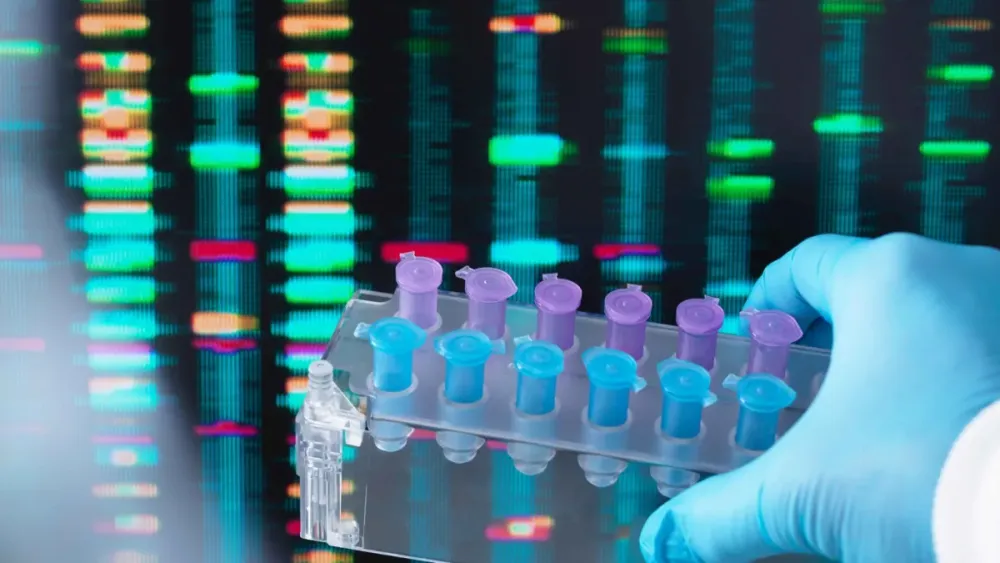
The study found that pre-existing antibodies in the patient neutralised therapeutic bacteriophages before they could eliminate the infection, providing new insights into how patients may respond to phage-based treatments.
VICPhage, a clinical partnership between The Alfred, one of Australia's leading tertiary hospitals, and Melbourne institution Monash University is one of the first Australian programmes to provide end-to-end phage therapy services for patients with severe bacterial infections that do not respond to conventional antibiotics.
The paper details the programme's first patient treated in 2022, a 22-year-old man with cystic fibrosis who experienced recurrent infections caused by bacteria resistant to most available antibiotics.
According to lead author Dr. Fernando Gordillo-Altamirano, a postdoctoral researcher in the VICPhage Laboratory at The Alfred, researchers discovered that the patient already had antibodies against the phage used in treatment.
"These antibodies destroyed the phages before they could kill the infection," he said.
The team then developed a process to test future patients for existing antibodies against specific phages before treatment, allowing therapies to be adjusted accordingly.
Senior author Professor Anton Peleg, director of the Department of Infectious Diseases at The Alfred and co-lead of VICPhage, said the findings provide a better understanding of the interactions between the immune system, bacteria and phages during treatment.
He said the results could support the selection of phages that are more resistant to neutralising antibodies and help improve treatment strategies for future patients.
The researchers also said the findings could inform the design of future clinical trials. Peleg said the next stage of research would require large randomised controlled trials to evaluate the efficacy of phage therapy against placebo treatments.
Phage therapy uses bacteriophages, viruses that target and destroy bacteria, to treat infections that have not responded to available antibiotic therapies.
Before administering treatment, VICPhage clinicians are required to obtain compassionate-use approval from Australia's Therapeutic Goods Administration after conventional treatment options have been exhausted.













 Read Here
 Advertise
 Sign Up