Radjak launches rapid cardiac, stroke unit for urban emergencies
It may roll out the model across its urban hospitals as demand grows.
Radjak Hospital Group launched a dedicated Advanced Cardiac & Stroke Response Unit in November, targeting faster treatment for two of Indonesia’s most time-sensitive medical emergencies as urban hospitals struggle with rising cardiovascular cases and growing congestion.
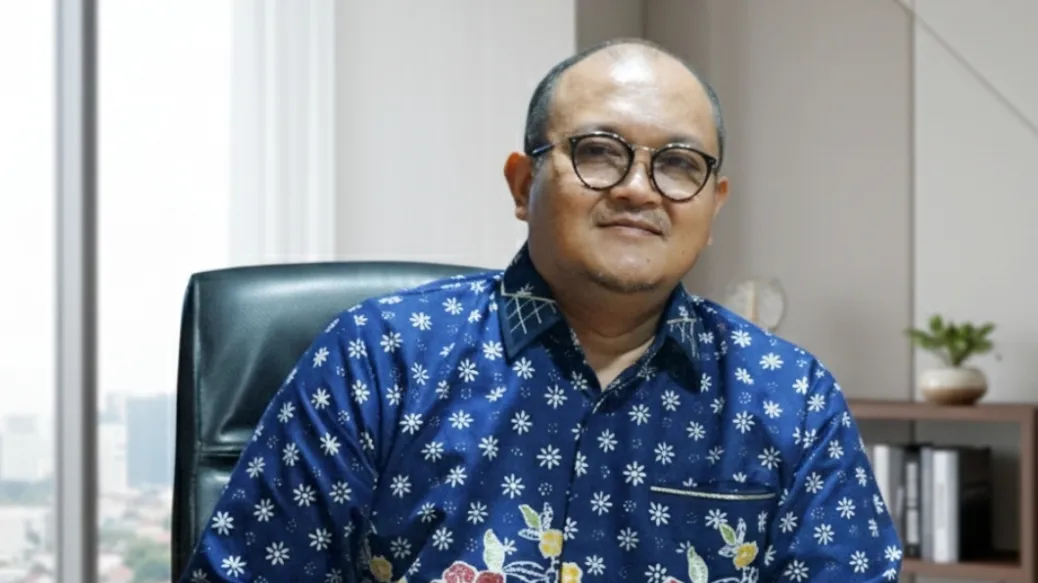
“Our starting point was very practical,” Abdul Barry, director at Radjak Hospital Group, told Healthcare Asia. “In urban areas, distance and process are the biggest enemies of cardiac and stroke patients. We built this unit to remove both.”
Urbanisation has reshaped healthcare demand in Indonesia’s major cities. Population density has increased pressure on emergency services, whilst traffic, distance and fragmented hospital workflows continue to delay care for heart attacks and strokes, where survival often depends on minutes.
Conventional hospital care often sends patients through multiple departments—emergency, imaging, intervention, and intensive care—adding time at every step. Radjak’s unit compresses those stages into a single, coordinated pathway that brings triage, advanced imaging, catheterisation access, and intensive monitoring under one system.
The unit is located in dense urban areas where emergency response times have been hardest to manage. By cutting internal transfers and aligning clinical teams, Radjak aims to shorten the time between diagnosis and intervention.
“For heart attack and stroke cases, the clock always wins if the system moves slowly,” Barry said in an interview. “Our goal is to make sure the system moves at the same speed as the emergency.”
Radjak sees the unit as a model that can be replicated across its urban hospital network as demand rises. Rather than relying on referrals between facilities, the group is focusing on standardised specialist services that can operate consistently across locations.
Early results show fewer delays in diagnosis and smoother patient flow, supporting Radjak’s view that city hospitals must handle constant demand, not just peak periods.
“Machines don’t save lives—systems do,” Barry said. “Technology only matters when it shortens the path to treatment.”
The unit is supported by network-wide electronic medical records and artificial intelligence-assisted diagnostic tools, letting clinicians access patient data quickly and coordinate care across teams. Barry said the integration has reduced administrative delays during critical cases.
“If digital tools add steps, they fail,” he said. “In critical care, they must remove them.”
Cardiovascular disease and stroke remain among Indonesia’s leading causes of death, with incidence rising fastest in cities. Radjak’s focus on time-critical specialisation reflects where it sees the sharpest strain on healthcare capacity over the next decade.
“A hospital operating in a city must be built for constant demand,” Barry said. “This unit is our response to that reality.”


















 Read Here
 Advertise
 Sign Up