AI, chatbots cut nurse paperwork burdens
Hospitals are deploying barcoding and digital booking tools to relieve staffing strain.
Hospitals across Asia are ramping up investments in artificial intelligence, chatbots and automation as staff shortages and rising costs squeeze capacity and threaten affordability. With nurses stretched thin, providers are targeting tools that reduce paperwork and administrative workload while improving patient access to appointments and diagnostics.
Dr. Beaver Tamesis, President and Chief Executive Officer of Asian Hospital and Medical Center, said hospitals must focus on nursing as the most critical pressure point.
“By enhancing their training, giving them career paths to really look forward to, we can potentially retain more nurses,” Tamesis said. He described the workforce challenge as long-term, adding: “We have to look at it as a continuum of their career, their lives, so that they can continue to grow.”
But hospitals are also trying to protect scarce nursing time by shifting routine tasks to technology. Asked whether AI can reduce workload at the bedside, Tamesis said: “Yes, it can, if you choose it smartly.”
One of the most immediate applications is medication verification and documentation. “One easy way to do it is to use barcodes, when you actually use barcoding to be able to identify the patient, the medication that they require, and then dispense the medication,” he said.
The goal is to ensure accuracy while automating a major time drain. Tamesis said the approach means hospitals “can now properly document that the patient received the right medication at the right time,” and that it “reduces the amount of documentation and scat work that the nurse has to do, and improves their lives quite tremendously on the floor.”
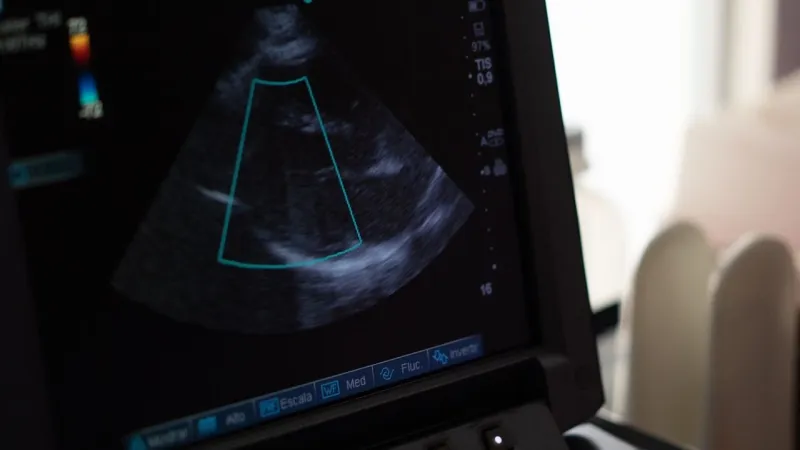
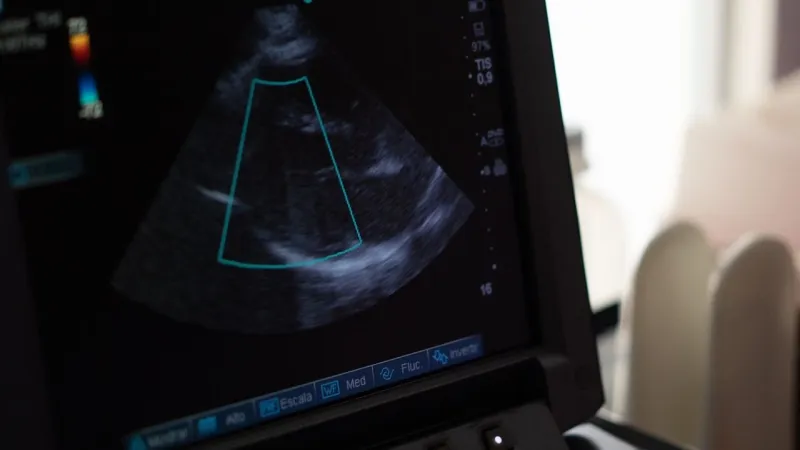
Chatbots are another focus as hospitals try to reduce bottlenecks in scheduling and front-desk workload. “The other way, of course, is to use chat bots so that you can now actually book appointments,” Tamesis said, adding that patients can arrange laboratory visits and specialty tests “by either chat or later on in the future, online calls.” He pointed to services such as “nuclear imaging, such as CT scans, or to the echocardiograms.”
Tamesis framed these tools as a cost-protecting strategy rather than an optional upgrade. “We have to think of it as an investment in technology so that we can actually free up more time on the part of the nurses to spend time with the actual patients,” he said.














 Read Here
 Advertise
 Sign Up







Commentary
AI drug discovery, GLP-1, and the next wave of Hong Kong biotech listings
Beyond symptom control: Redefining IMID care in Malaysia
How decentralised clinical trials can unlock Asia's research potential