Kaohsiung team studies royal jelly vesicles for wound repair
Early work suggests the particles may aid even hard-to-close diabetic wounds while safety remains unconfirmed.
Researchers at Kaohsiung Medical University are studying particles derived from royal jelly as a possible aid for wounds that are slow or difficult to heal, including diabetic wounds.
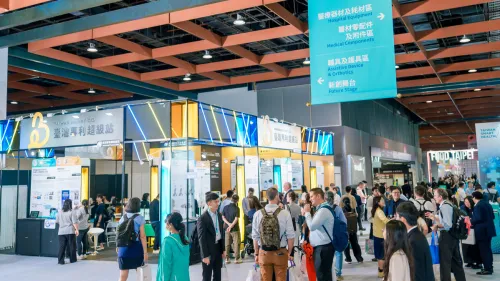
“Our research is about royal jelly extracellular vesicles,” Eve Chiou, project manager at Kaohsiung Medical University, said in an interview during Medical Taiwan 2026. “Our royal jelly extracellular vesicles, also called RJ-EVs, can promote faster wound healing, even for abnormal wounds or diabetic wounds.”
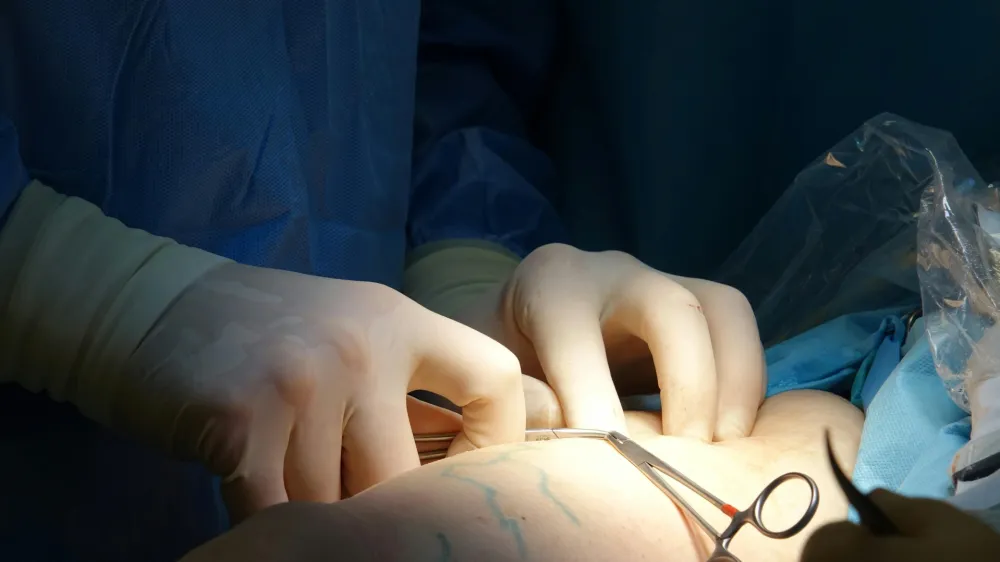
Diabetic wounds can be difficult to close because poor circulation, nerve damage and infection may delay recovery. Patients with persistent wounds can face repeated treatment, hospital visits and a greater risk of serious complications.
The research team is now assessing the properties of RJ-EVs and whether their apparent healing benefits can be reproduced safely. Chiou said more laboratory work is required before the particles can move closer to clinical use.
“The side effects of our RJ-EVs are not very clear, so we need to conduct more experiments to show that,” she said.
Regulation could also affect how quickly extracellular vesicle treatments progress.
“The laws in Taiwan about the characterisation or definition of EVs are not very clear,” she said. “In three to five years, Taiwan’s laws or global laws need to be improved.”
The research will therefore need to address two separate hurdles: proving that RJ-EVs can consistently support wound repair and establishing that they do not create unacceptable risks. Clearer testing and approval rules will also be needed before such treatments can advance beyond early research.








 Read Here
 Advertise
 Sign Up






Commentary
AI drug discovery, GLP-1, and the next wave of Hong Kong biotech listings
Beyond symptom control: Redefining IMID care in Malaysia
How decentralised clinical trials can unlock Asia's research potential