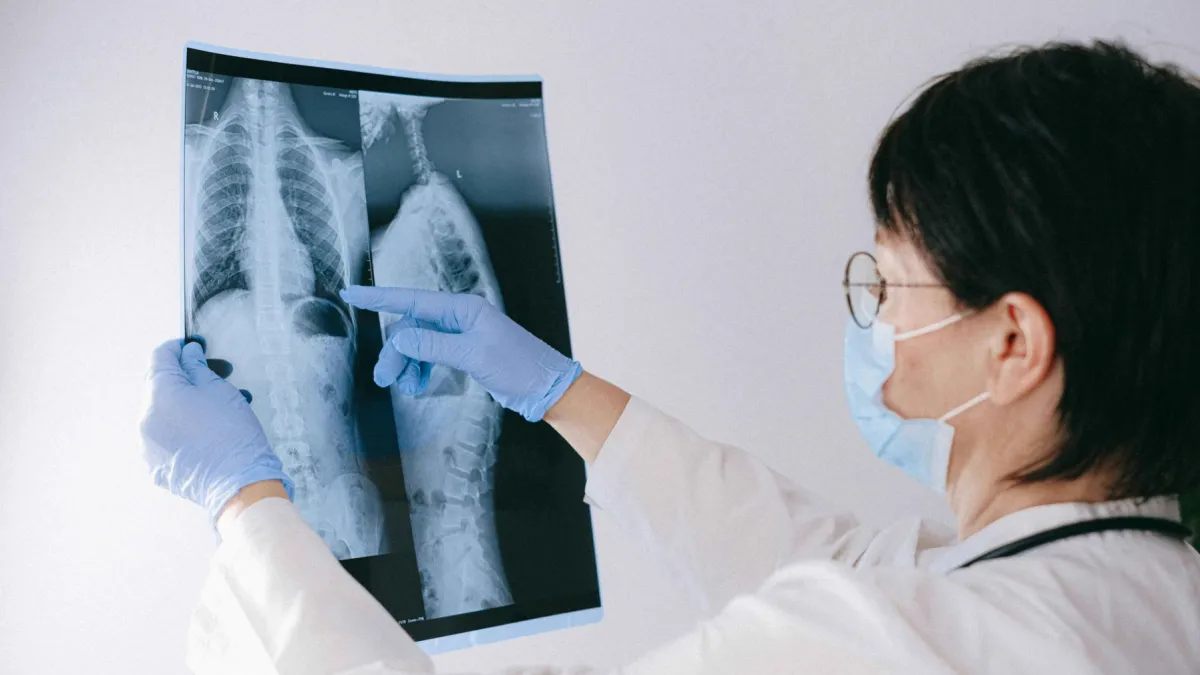
Chronic pain surge boosts spinal cord stimulation market to $4.8b by 2032
This also comes as patients shift away from opioid-based treatments.
The global spinal cord stimulation (SCS) devices market is projected to reach $4.8b by 2032, with a compound annual growth rate of 8.4%, driven by the increasing burden of chronic pain conditions and a global shift away from opioid-based treatments, according to Allied Market Research.
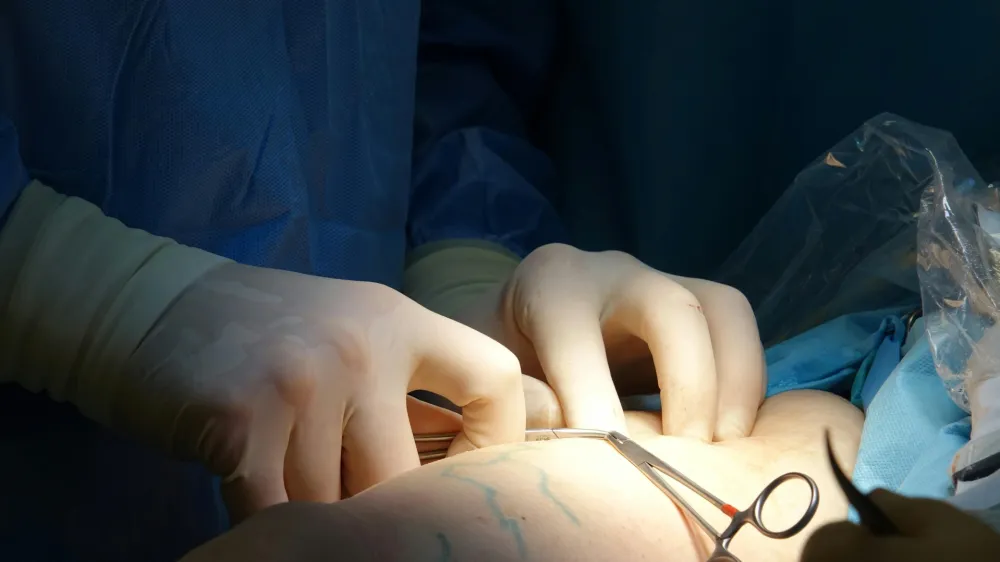
SCS is used for patients with failed back surgery syndrome, complex regional pain syndrome, and chronic intractable pain of the trunk and limbs, as a non-pharmacological intervention for chronic pain management, with reduced reliance on opioid medications.
Asia-Pacific is projected to record the highest growth rate, supported by ageing populations in Japan and China and investment in healthcare infrastructure in China and India.
North America leads the market and is expected to maintain its position through 2030, supported by reimbursement systems and early adoption of closed-loop and MRI-conditional devices.
Europe follows, with demand concentrated in Germany, the United Kingdom, and France under strict regulatory standards.
Latin America is led by Brazil and Mexico, which have specialist pain clinics. In the Middle East, the Gulf Cooperation Council region supports the use of SCS in patients with diabetic neuropathy.
Hospitals and clinics are the primary end users of SCS devices. Ambulatory surgical centres are the fastest-growing segment due to increased use of same-day procedures.
Device development focuses on high-frequency stimulation at 10kHz, burst stimulation, and closed-loop systems that adjust stimulation based on spinal cord activity. The market is shifting from conventional stimulation to adaptive waveforms.
Rechargeable systems account for the largest product segment due to longer device life, whilst non-rechargeable systems are used for patients with lower energy requirements.
Recent developments include regulatory approvals for closed-loop systems that measure evoked compound action potentials, expansion of MRI-conditional devices, and integration of digital health tools for patient monitoring.
The market is expected to expand further as SCS use extends to additional indications, including non-surgical back pain.











 Read Here
 Advertise
 Sign Up