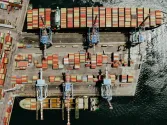
Can tax breaks make medicines more affordable?
The country remains heavily dependent on imported drugs.
The Philippines is expanding tax incentives to lower medicine prices and encourage local drug production, but industry data suggest the measures may have limited impact whilst patients continue to pay much of their healthcare costs out of pocket.
“Tax breaks lower list prices; they do not change who pays at the counter,” BMI, a Fitch Solutions company, said in a report published in June.
The Bureau of Internal Revenue expanded its value-added tax (VAT)-exempt medicine list to 2,263 products from 2,242 in December.
BMI said the move should support demand for locally made medicines, particularly generic drugs that account for most products on the exemption list.
The report also pointed to incentives for pharmaceutical manufacturers, including Philippine Economic Zone Authority-administered industrial parks that offer a reduced 20% corporate income tax rate, alongside government efforts to boost national medicine reserves.
However, BMI said out-of-pocket payments accounted for 42.7% of total health spending in 2025, limiting the impact of lower medicine prices on household healthcare costs.
The report added that the country remains heavily dependent on imported medicines and pharmaceutical ingredients, leaving the industry exposed to supply chain disruptions.
Limited financing, a shortage of skilled workers, and weak research and development capabilities also continue to constrain the industry's ability to expand higher-value manufacturing.
IMARC Group estimated the Philippine pharmaceutical market at $3.36b in 2025 and expects it to reach $3.91b by 2034.
The research firm said implementation of the Universal Health Care Act and rising medical inflation would support market growth, whilst manufacturing hubs such as Victoria Industrial Park in Tarlac province in northern Philippines could help reduce dependence on imported medicines.
Questions to ponder
- Can tax incentives significantly reduce medicine costs if patients continue to pay most healthcare expenses themselves?
- What policies would most effectively reduce the Philippines' reliance on imported medicines?
- Should the government prioritize expanding health insurance coverage or providing more tax incentives for medicines?















 Read Here
 Advertise
 Sign Up