China’s 15th Five‑Year Plan elevates medtech, brain‑computer interfaces
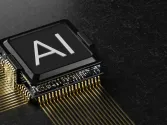
AI adoption in medtech is also moving from policy to practice.
China's 15th Five-Year Plan (FYP) has elevated healthcare technology to a national strategic priority, with medtech explicitly named in two of the 10 emerging-industry development priorities and 3 of the 8 frontier-technology domains.
A new L.E.K. Consulting analysis reported brain-computer interface (BCI) and advanced medical devices are amongst the 10 designated emerging-industry priorities.
The BCI focus covers next-generation electrode and chip hardware, signal-decoding algorithms and Mandarin-language neurolinguistic databases, with applications spanning disease treatment, motor rehabilitation and health monitoring.
The advanced medical devices priority targets ultra-high-end CT, high-field MRI, precision radiotherapy and intelligent surgical robots, alongside implantables for cardiovascular intervention and orthopaedics.
Three of the plan's eight frontier-technology domains also touch medtech—life sciences and biotechnology, brain science and brain-like artificial intelligence, and critical disease prevention, treatment and drug research and development.
China's BCI sector is already advancing quickly. The country ranks first globally in noninvasive BCI mass production, second in the number of human invasive BCI implants, and second in BCI-related peer-reviewed publications.
The sector has averaged roughly 20 funding events per year over the past four years, with applications spanning clinical rehabilitation, psychiatric treatment, and neuromodulation to consumer health uses like sleep monitoring.
AI adoption in medtech is also moving from policy to practice, per the report. It is already embedded across screening and diagnosis, imaging, clinical decision support, treatment and rehabilitation, the report notes.
Other policy directions flagged include continued optimisation of Volume-Based Procurement and pricing mechanisms, a bigger role for commercial health insurance in covering innovative products, expanded healthcare investment in county- and community-level care, and stronger supply-chain localisation.
L.E.K. said medtech companies should assess where they can participate across the BCI ecosystem and build early partnerships with hospitals, universities and domestic innovators, whilst ensuring AI investments demonstrate measurable value to support regulatory approval and reimbursement.














 Read Here
 Advertise
 Sign Up