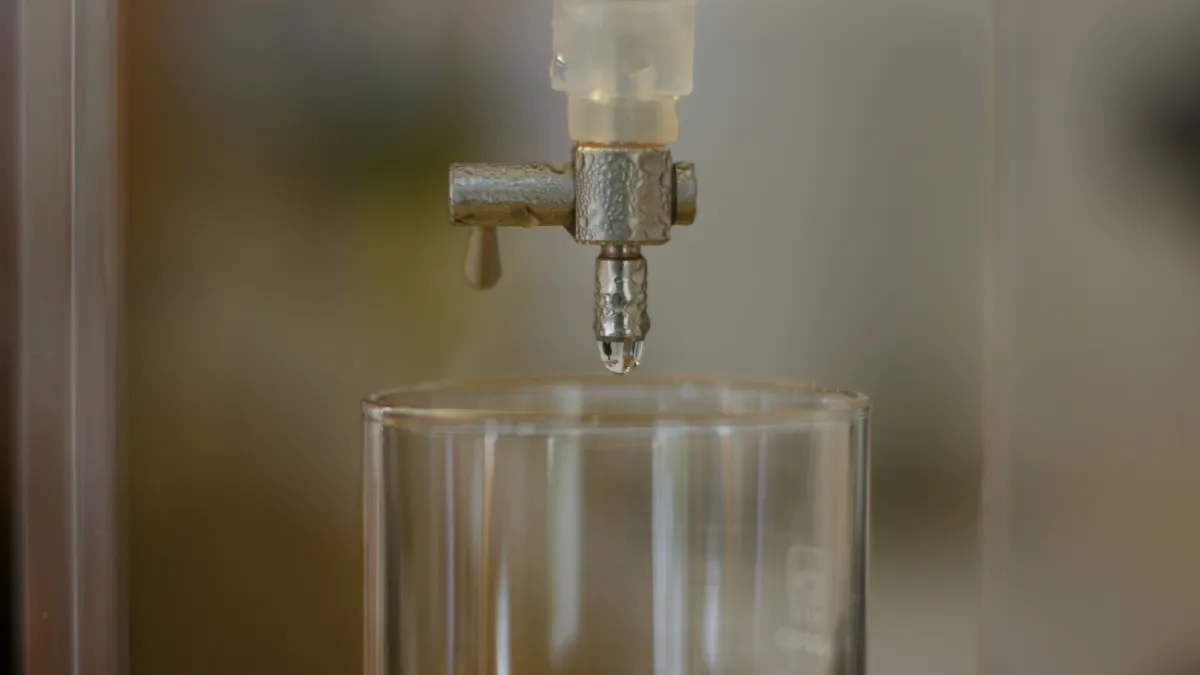
Global lab filtration market to hit $6.8b by 2030 on biopharma demand
Demand for sterile and membrane filtration is expected to rise across global labs.
The global laboratory filtration market is projected to grow to $6.8b by 2030 from $4.5b in 2025, with a compound annual growth rate of 8.5%, according to Wissen Research.
Market growth is attributed to pharmaceutical and biotechnology research, biopharmaceutical production, and demand for high-purity sample preparation. Filtration systems are used in drug development, cell culture, microbiological testing, water purification, and laboratory quality control.
“Asia-Pacific is expected to register the fastest growth, fuelled by expanding pharmaceutical production, increasing research activities, and rising investments in biotechnology and healthcare infrastructure across China, India, Japan, and South Korea,” the report said.
The report highlights increased adoption of membrane-based filtration, single-use systems, and automated laboratory workflows, which support higher efficiency, contamination control, and reduced processing time across research, clinical, and industrial laboratories.
Microfiltration holds the largest share by technique type in 2025, supported by its use in removing bacteria, suspended particles, and microorganisms in pharmaceutical and biotechnology applications.
Sterile filtration remains central to biologics, vaccines, and cell therapy production.
The market faces constraints from high system costs, consumable replacement requirements, and membrane fouling.
“Stringent regulatory and quality requirements for pharmaceutical, biotechnology, and clinical applications necessitate extensive validation and quality control, increasing product development complexity and time-to-market,” the report added.

















 Read Here
 Advertise
 Sign Up