AI-powered model sets new standard for paediatric emergency prediction in Korea
System trained on 87,759 patient records exceeds established triage tool in accuracy tests.
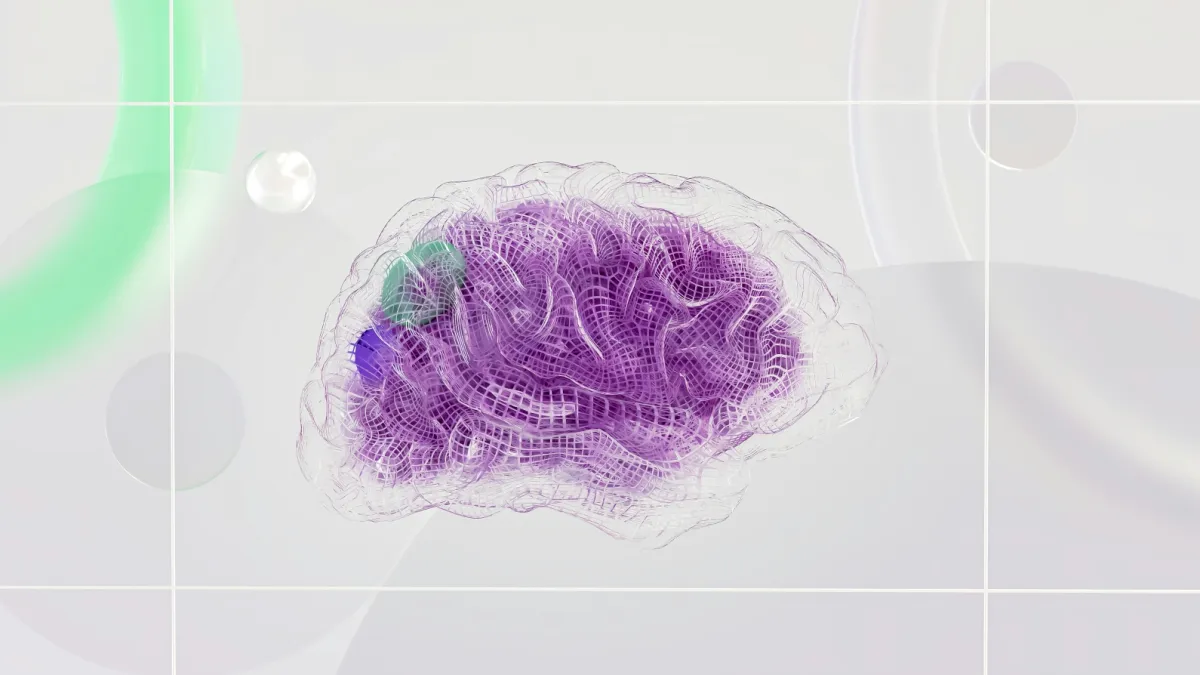
Seoul St. Mary’s Hospital in South Korea has developed an artificial intelligence model that predicts paediatric emergency severity using clinical notes from electronic medical records and natural language processing.
In a press release, the hospital said the model analyses unstructured physician records to identify emergency cases in paediatric patients and outperforms the Korean Emergency Patient Triage Tool (KTAS), a widely used classification system in emergency departments.
The system uses a Korean medical natural language processing model combined with masked language model pre-training, which processes symptoms and treatment descriptions written by medical staff in electronic medical records.
The development team trained and tested the model on data from 87,759 patients under 18 years old who visited a tertiary hospital emergency department between 2012 and 2021.
The dataset classified patients into emergency and non-emergency groups based on treatment outcomes, including blood tests, urine tests, intravenous therapy, inhalation treatment, emergency medication, and hospital admission.
The model achieved an area under the receiver operating characteristic curve of 84% and an area under the precision-recall curve of 88%, exceeding performance from existing machine learning models and KTAS-based classification.
The research involved Seoul St. Mary’s Hospital Pediatric Emergency Medical Center at The Catholic University of Korea, the Department of Artificial Intelligence at Korea University, Seoul Asan Hospital, and Buno Medical Artificial Intelligence Company.
Researchers said the model interprets clinical notes recorded before test results are available, allowing earlier identification of patient severity in emergency settings.
They said the approach supports classification based on clinician-recorded narratives rather than structured data alone.
The research team published the findings in the international journal Scientific Reports.


 Read Here
 Advertise
 Sign Up