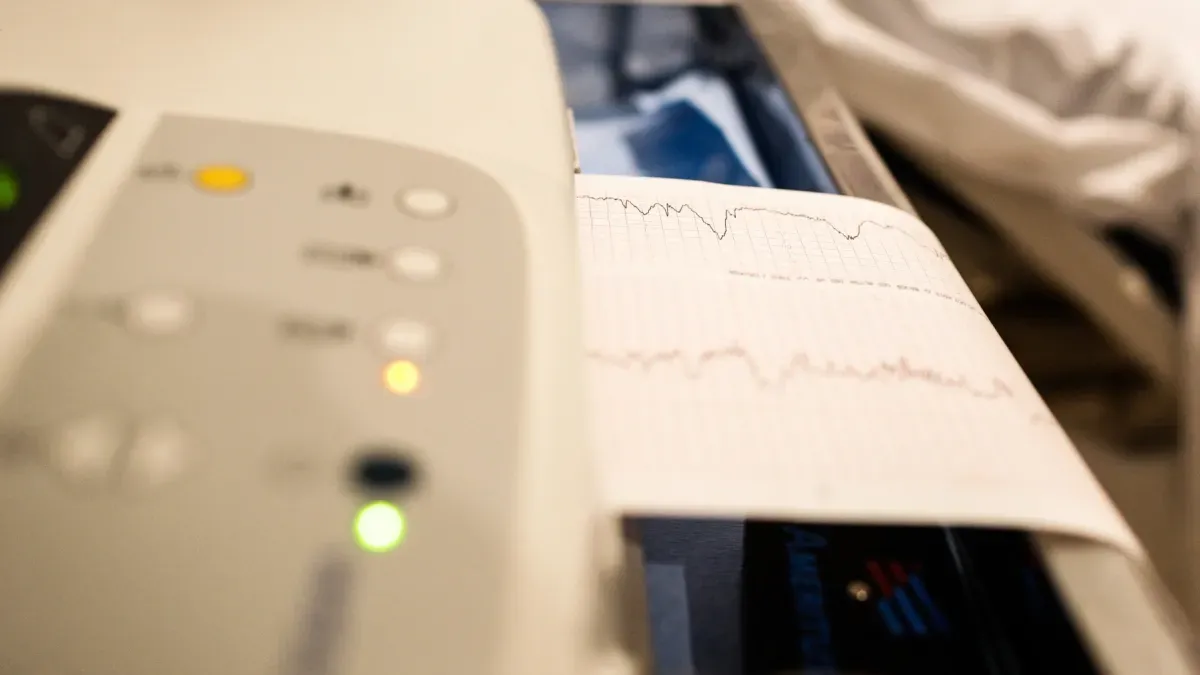
Coronary artery disease, lifestyle factors boost cardiology device growth
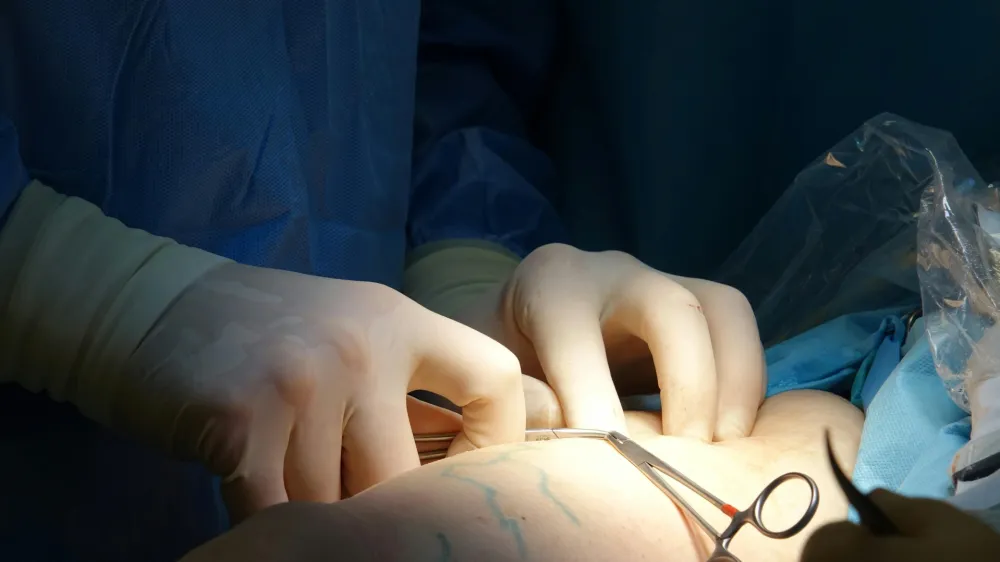
Catheter-based procedures are preferred over traditional surgery.
The global interventional cardiology devices market is projected to grow from $31.12b in 2026 to $42.39b by 2031, at a CAGR of 6.4%, according to MarketsandMarkets™.
The growth is driven by rising rates of coronary artery disease and valve disorders, fueled by aging populations, diabetes, obesity, and sedentary lifestyles.
Minimally invasive, catheter-based procedures are increasingly preferred over traditional surgery due to shorter recovery times and lower complication risks.
Technological advances, including next-generation drug-eluting stents, bioresorbable scaffolds, transcatheter heart valves, intravascular imaging, and physiology-guided diagnostic systems, are improving accuracy and expanding treatment options.
Additionally, expanding catheterisation labs and favorable reimbursement policies are supporting market growth globally.
The demand for drug-eluting stents (DES) is rising, especially among older patients, diabetics, and those with complex lesions.
DES are favored for lower restenosis and repeat procedure rates. Innovations such as thinner stents, improved coatings, and bioresorbable platforms are enhancing long-term outcomes.
The prevalence of cardiovascular diseases is driving angiography catheter adoption. Improved catheter designs, hydrophilic coatings, and compatibility with imaging systems are making procedures safer and more efficient.
Growth is further supported by more catheterisation labs and early disease detection efforts.
Outpatient centers are increasingly performing interventional cardiology procedures due to minimally invasive technologies.
ASCs offer cost efficiency, shorter procedure times, and faster recovery, attracting patients and boosting device adoption. Favorable reimbursement and investments in ASC infrastructure are accelerating this trend.















 Read Here
 Advertise
 Sign Up