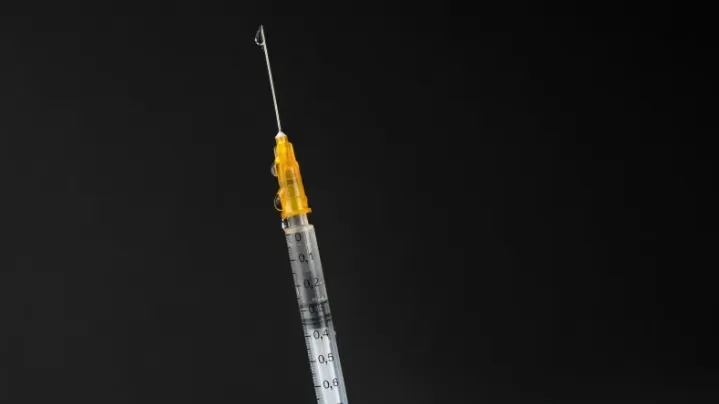
Biologics adoption to fuels trillion-dollar injectable market expansion
China and India are emerging as key manufacturing and consumption centres.
The global injectable drug delivery market is expected to reach $1.18t by 2033, with a compound annual growth rate of 8.8% from 2026 to 2033, according to a Persistence Market Research report.
It is being driven by the increasing prevalence of chronic diseases, rising biologics adoption, advances in self-injection technologies, and growing healthcare accessibility.
Injectable drug delivery remains the preferred route for many high-value therapies due to its fast therapeutic action, high bioavailability, and suitability for complex biologic formulations.
Meanwhile, prefilled syringes are expected to lead the market with approximately 38% revenue share, supported by improved medication safety.
However, wearable injectors are projected to be the fastest-growing device segment, benefiting from the shift toward home-based administration of large-volume biologic therapies.
On a regional basis, North America is anticipated to account for around 38% of global market revenue, driven by strong pharmaceutical innovation and advanced healthcare infrastructure.
In the Asia Pacific, the market presents a rapidly expanding opportunity driven by healthcare infrastructure modernisation, growing chronic disease prevalence, and increasing access to biologic therapies.
China and India are emerging as important manufacturing and consumption centres, due to rising healthcare spending and expanding patient populations.

















 Read Here
 Advertise
 Sign Up