
AI osteoporosis screening market to more than double by 2036
This comes amidst higher demand for preventive healthcare and rising cases.
The global artificial intelligence (AI) osteoporosis screening tools market is projected to rise to $1.14b by 2036 from $460m in 2026, growing annually at 9.5%, according to Future Market Insights (FMI).
The market expansion reflects higher demand for preventive healthcare, rising osteoporosis cases amongst ageing populations, and wider use of AI in diagnostic imaging workflows.
The report noted that the Asia-Pacific region records higher growth due to expanded healthcare digitisation and rising imaging volumes.
Healthcare providers are applying AI tools to existing imaging procedures to support earlier detection and reduce fracture-related treatment costs.
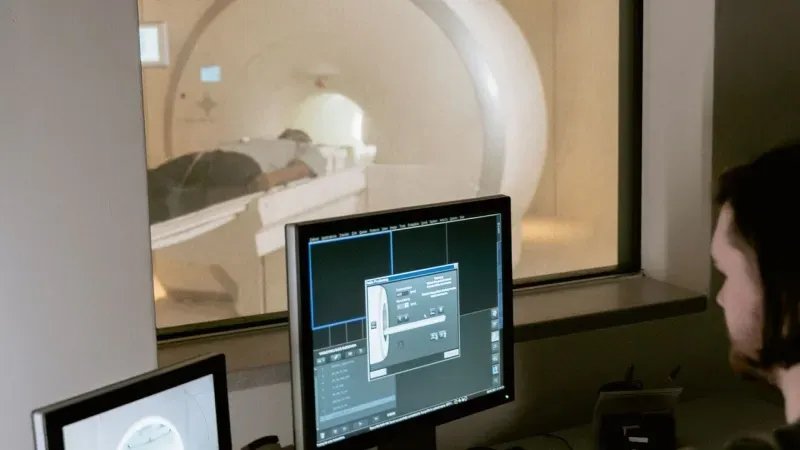
AI screening systems analyse DXA scans, CT images, and X-rays to assess bone mineral density and fracture risk.
Hospitals and diagnostic centres use these tools to support radiology reporting and reduce dependence on specialist interpretation.
The systems integrate into hospital imaging and health record infrastructure, including PACS, RIS, and electronic health record platforms.
AI-enabled DXA image analysis accounts for 46% of the market, with DXA remaining the primary clinical method for bone density assessment, and AI systems automating fracture risk scoring and reporting.
Hospitals and diagnostic centres represent 48% of end-user demand, as these facilities use AI tools alongside high-volume imaging systems and existing diagnostic infrastructure.
Growth drivers include expansion of AI-enabled DXA analysis, adoption of opportunistic CT and X-ray screening, demand for interoperable imaging systems, growth in preventive healthcare models, and use of cloud-based AI platforms linked to tele-radiology.
The market faces constraints linked to regulatory approval processes, reimbursement policies, interoperability limitations, and clinician requirements for AI transparency and workflow integration.
Key companies in the market develop AI imaging tools, integrate software into hospital systems, and work with clinical partners on validation and deployment.
Strategies include development of deep learning algorithms, integration with PACS and RIS systems, cloud-based deployment, and partnerships with hospital networks and imaging providers.
Sabyasachi Ghosh, Principal Consultant at FMI, said vendors focus on regulatory clearance, clinical validation, and interoperability with hospital imaging systems.
The report also highlights procurement trends linked to enterprise imaging systems and healthcare network adoption.
















 Read Here
 Advertise
 Sign Up