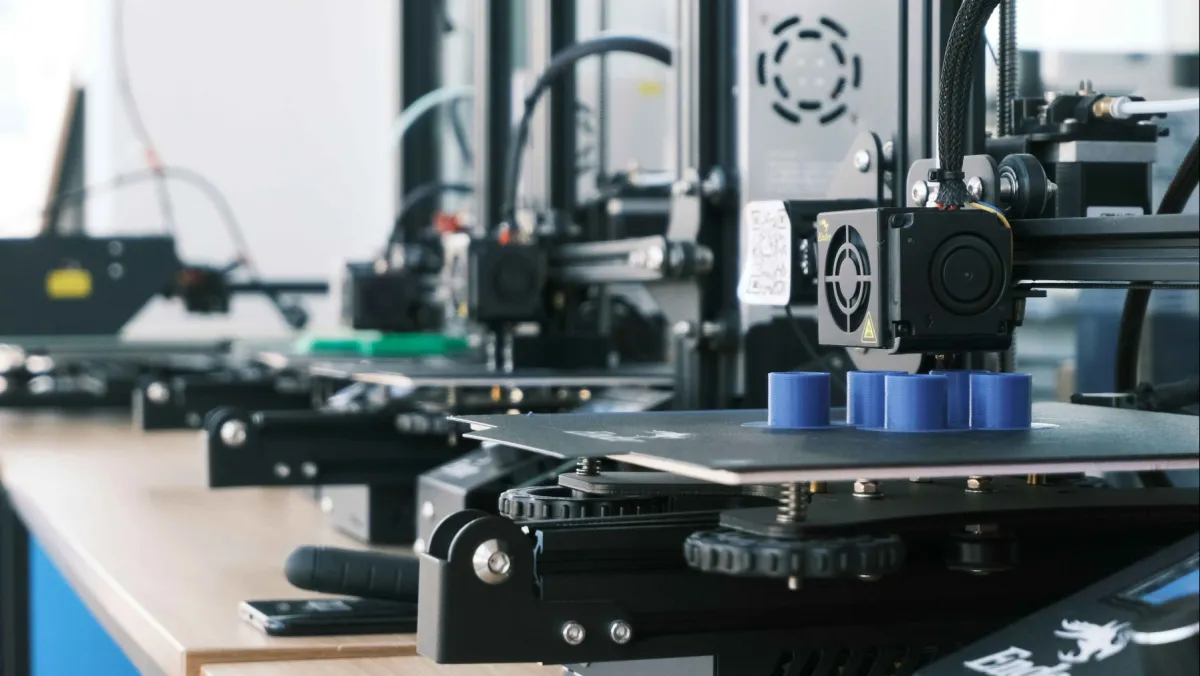
Personalised medicine to drive 17% CAGR in healthcare 3D printing, $14.6b by 2033
Patient-specific devices and orthopaedics drive market growth.
The global healthcare 3D printing market is projected to reach $14.6b by 2033, growing at a compound annual rate of 17.4%, driven by demand for personalised medical solutions and advances in materials science, according to Growth Market Reports.
Manufacturing technologies enable the production of patient-specific implants, anatomical models, and surgical instruments, improving surgical accuracy and reducing risk.
Craniofacial reconstruction is cited as an example, alongside dental implants and orthodontic devices, as these methods provide high precision.
3D printing allows the creation of complex geometries without traditional tooling, lowering production costs and lead times. Healthcare providers increasingly use on-demand printing for surgical guides, prosthetics, and replacement parts.
Rising rates of chronic conditions, including osteoarthritis and cardiovascular diseases, drive demand for orthopaedic implants and surgical planning models.
Emerging growth areas include bioprinted organs and on-demand hospital printing, whilst research continues in pharmaceutical printing for customised drug dosages and smart implants with integrated sensors.
Decentralised printing at the point of care seeks to reduce reliance on centralised manufacturing hubs, the report added.
















 Read Here
 Advertise
 Sign Up