Singapore
Here’s why Riverstone Holdings is well positioned to withstand demand headwinds

Here’s why Riverstone Holdings is well positioned to withstand demand headwinds
It’ll be boosted by favorable forex movement.
Open season for pharma firms as Vietnam launches public immunisation programme

The programmes will remove a major roadblock for pharmaceutical firms.
Consumers and doctors disagree regarding access to electronic health records, says survey

82% of consumers in Singapore want full access.
Is Singapore's medical tourism sector losing its lustre?

Modernisation at ASEAN hospitals is a key threat.
Telecare will shape pharmaceutical opportunities in the Asia-Pacific region: BMI

Singapore and Hong Kong will benefit the most, they said.
MSD and the journey to address cancer

MSD, also known as Merck in the US and Canada, is celebrating 125 sterling years of saving lives through breakthroughs, innovative drugs, and therapies.
Medtronic harnesses technology and infrastructure to improve medical efficiency

A global healthcare solutions provider is changing the way Asian healthcare is delivered.
Electronic medical records contribute to success of private hospital networks

Access to patient information at any time, on any device, from anywhere supports premium patient care and customer service.
This Asian country beats Singapore in terms of support for biopharma innovation

Singapore is ranked fourth worldwide.
Raffles Med’s Q1 profits inch up 3.7% to $15.5m

On back of increased staff expenses.
Find out about the effects of lifestyle diseases on Indonesian healthcare

Dr Richard Jones, technical adviser at International SOS, will share his thoughts.
NNI establishes centre of excellence on World Parkinson’s Day to provide innovative care for patients

Find out what it's about.
Johns Hopkins Singapore CEO to give thoughts about Singapore’s weakening med tourism appeal

Lawrence Patrick has 20 years of healthcare experience under his belt.
Healthcare stocks lose lustre after breakneck price surge

Expansion costs are chipping away at profits.
Perennial Real Estate boosts healthcare aspirations with 20% stake in child health firm

The deal is worth an estimated $28.7m.
Singapore-based Asian American Medical Group breaks ground on life science park in China

It will open in 2018.
Hospital wars heat up as Singapore hikes healthcare spending

Private players will have to splurge on robotics too.

 Read Here
 Advertise
 Sign Up








Commentary
Why health system research deserves more attention
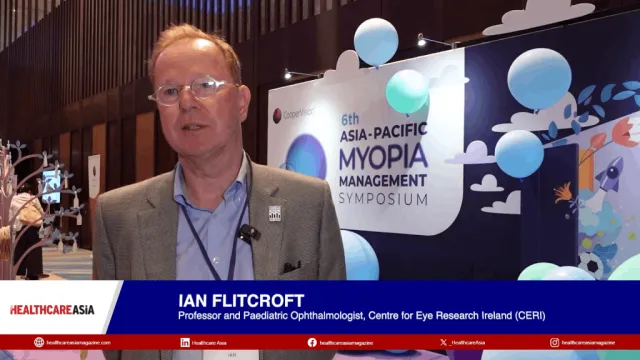
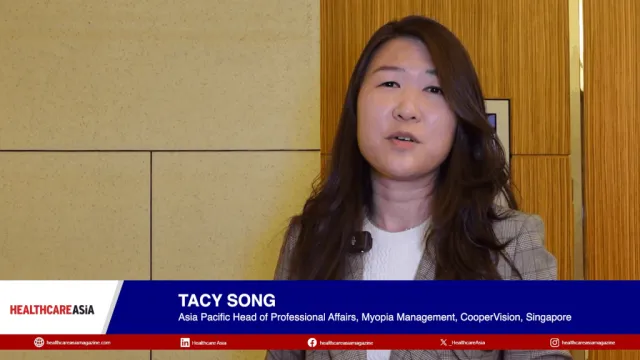
How the healthcare ecosystem is responding to change the trajectory of myopia