Healthway Cancer Care Hospital expands early cancer screening
The hospital is combining screening, lifestyle prevention, and disease-specific care to improve colorectal and liver cancer management.
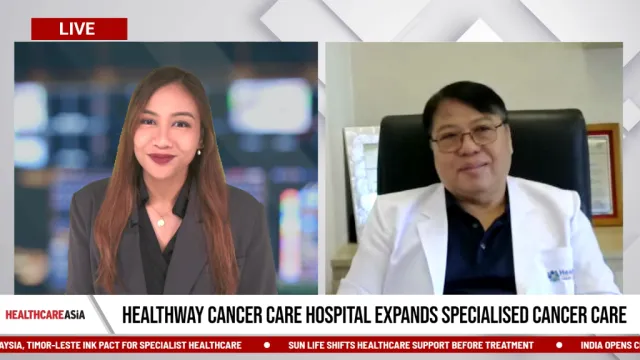
Healthway Cancer Care Hospital is expanding its colorectal and liver cancer programmes as providers place greater emphasis on identifying high-risk patients before symptoms appear.
Dr. Ramy Roxas, President and CEO of Healthway Cancer Care Hospital, said colorectal cancer ranks third amongst cancers in the Philippines, whilst liver cancer remains within the top five.
For colorectal cancer, Roxas recommends screening from age 45. Colonoscopy can identify and remove precancerous polyps, whilst faecal immunochemical testing offers another screening option when colonoscopy is unavailable.
“It’s one of the most preventable cancers if you pick it up as a pre-malignant phase, which is a polyp,” Roxas said.
The programmes also put greater weight on prevention. Roxas cited higher-fibre diets, reduced intake of processed foods, exercise, and weight control, alongside better management of diabetes and hypertension.
For liver cancer, hepatitis B vaccination remains an important preventive measure, whilst higher-risk patients, including those with hepatitis B or fatty liver, may require closer monitoring through ultrasound or other liver assessments.
Healthway’s disease-specific model is intended to coordinate these measures across the patient journey, from prevention and screening through treatment, survivorship and end-of-life care.
The hospital opened about two and a half years ago and is accredited by the Philippine Department of Health as a cancer specialty hospital.
Roxas said colorectal and liver cancers become more common from age 50, reinforcing the need to identify risk earlier.
For healthcare operators, the shift is towards organising cancer services around risk-based screening and coordinated care rather than waiting for diagnosis to trigger intervention.











 Read Here
 Advertise
 Sign Up








Commentary
The hidden role of gold nanoparticles in Southeast Asian diagnostics
Why healthcare must solve for patient behaviour, not just treatment
The eastward shift in the biotech world: Why India and China could lead the next wave