Global dental prosthetics market to reach $13.7b by 2034
Digital tools are changing how restorations are designed and manufactured.
The global dental prosthetics market is projected to reach $13.7b by 2034 from $7.3b in 2025, according to Growth Market Reports.
The market is expected to expand at a compound annual growth rate of 7.2% from 2026 to 2034, driven by the rising prevalence of dental disorders, increasing aesthetic awareness and advances in dental technologies.
The report identified the growing adoption of digital dentistry, including computer-aided design and manufacturing (CAD/CAM) and 3D printing, as factors supporting market expansion.
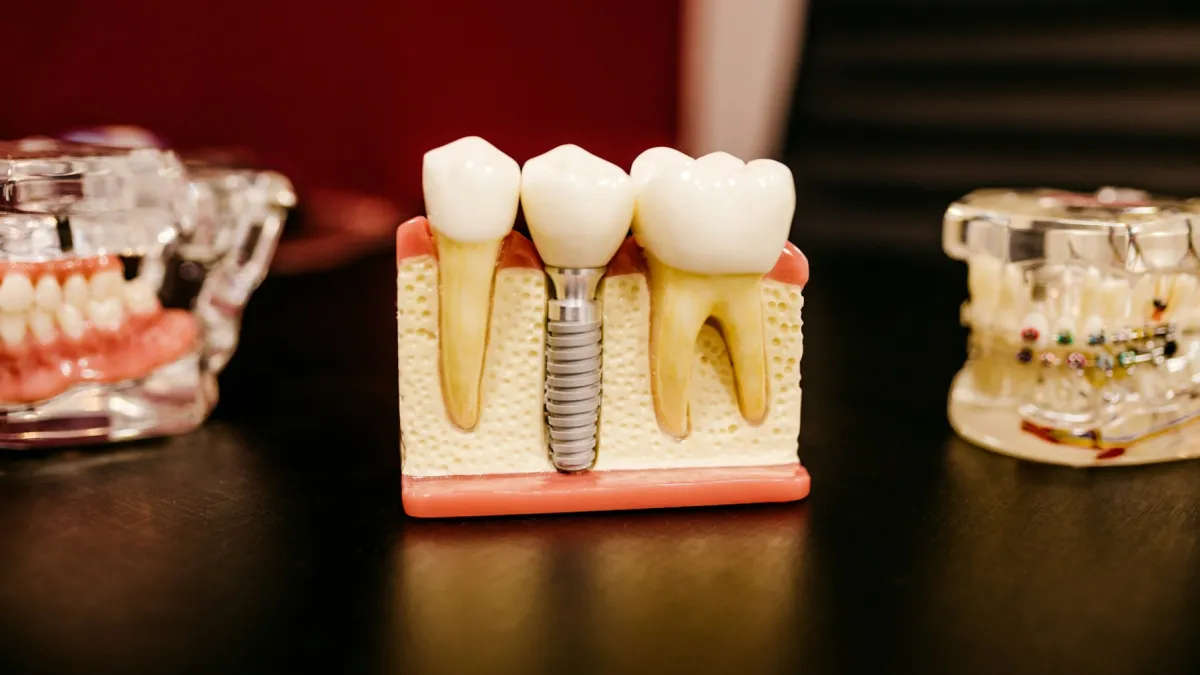
Dental prosthetics include crowns, bridges, dentures, implants, and other restorative solutions used to replace missing teeth or restore damaged oral structures.
An ageing population is also expected to support demand, as older adults are more likely to experience tooth loss and require restorative treatment.
“At the same time, younger patients may seek prosthetic solutions following dental trauma, congenital conditions, or extensive tooth damage,” according to the report.
Digital workflows are reshaping prosthetic treatment, with intraoral scanning reducing reliance on conventional impressions and digital modelling supporting the planning of restorations.
CAD/CAM technologies can be used to produce crowns, bridges, and other prosthetic components through digitally controlled manufacturing.
Meanwhile, 3D printing can support the production of models, temporary restorations, denture components, and customised dental structures.
“High costs associated with dental procedures, specialised equipment, and premium materials can limit access to treatment, particularly in price-sensitive regions,” the report said.
Clinics and dental laboratories may also face challenges related to skilled personnel, workflow compatibility, and maintaining consistent quality and fit.
The research firm said opportunities remain in customised restorative solutions, advanced dental materials, and digital manufacturing as dental infrastructure and access to restorative services develop in emerging markets.
















 Read Here
 Advertise
 Sign Up