Singapore clinics keep AI on a short leash
There are more than 12,000 AI agents in Singapore's public healthcare system.
Singapore clinics are restricting artificial intelligence (AI) to routine appointments and enquiries, leaving complex cases and treatment decisions to staff as patients begin using AI assistants to arrange healthcare bookings.
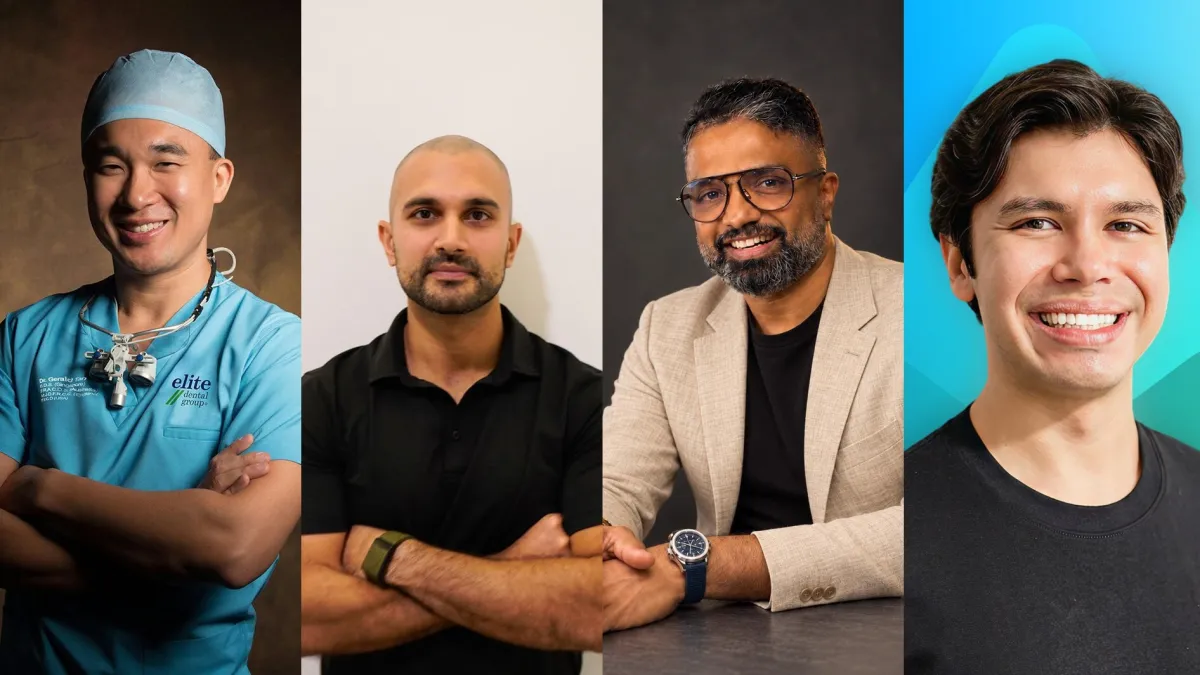
“A patient asking about an implant is expressing a need; they are not necessarily ready to be scheduled for implant surgery,” Gerald Tan, founder and CEO at Elite Dental Group, told Healthcare Asia in an emailed reply to questions.
The dental clinic directs first-time patients towards an initial consultation rather than allowing AI to book procedures. Its clinical team determines subsequent appointments, including whether patients should continue seeing the same dentist.
Patients can confirm appointments through automated reminders, but requests to reschedule are passed to staff.
Tan said automated reminders and follow-ups had improved the proportion of enquiries converted into bookings by as much as 30%, whilst late cancellations and missed appointments had fallen roughly 15%.
Edge Healthcare, an osteopathy clinic, also restricts what patients' AI assistants can do.
“What would make me uncomfortable is an assistant treating an available time as sufficient permission to book, change, or cancel an appointment,” Aman Bancil, co-founder and an osteopath at Edge Healthcare, said in an email.
The clinic lets AI handle routine enquiries, appointment reminders, and booking requests, but staff decide whether a patient needs a particular practitioner or further assessment.
Bancil said the system passes conversations requiring clinical judgement or personal reassurance to staff, along with the information already provided by patients.
Rapid Physiocare uses AI to match patients with physiotherapists based on their conditions, preferred appointment times, and locations.
Rapid Physiocare founder and CEO John Abraham said the clinic developed rules identifying which conditions each physiotherapist could treat and which cases required staff intervention.
The assistant began handling bookings, reminders, and general enquiries within its first week.
Abraham said automating appointment confirmations alone saves two to three hours of staff time daily at a busy clinic.
Insurance verification remains manual, whilst requests from third parties require identity checks and direct confirmation with patients before information is released, he said.
The clinics' restrictions come as Singapore expands AI use in public healthcare.
Public sector healthcare professionals have created more than 12,000 AI agents, Tan Kiat How, senior minister of state at the Ministry of Digital Development and Information and Ministry of Health, said in an August speech.
He said AI would increasingly coordinate administrative work and patient follow-ups, whilst doctors remained responsible for clinical decisions.
Agastya Samat, founder and CEO at healthcare technology platform Zeya Health, said appointment systems must distinguish between available times and confirmed bookings.
“The process usually breaks down at the exceptions,” he said in an emailed reply to questions.
A returning patient might need the same practitioner, whilst a request to change an appointment should not automatically cancel an existing booking, he pointed out.
Samat said clinics should retain control over booking rules, require patient authorisation, and keep records showing what AI systems were instructed to do.
“Accountability cannot disappear into the phrase ‘The AI did it’,” he said.













 Read Here
 Advertise
 Sign Up